Pipe & Drain
Drain Cleaning
Drain cleaning across Brooklyn and every NYC borough — kitchen lines packed with grease, bathroom drains bound up with hair and soap, and older cast-iron branch lines that have narrowed from decades of scale. Slow drains rarely fix themselves and usually get worse. We clear the blockage completely rather than temporarily pushing it further down the line.
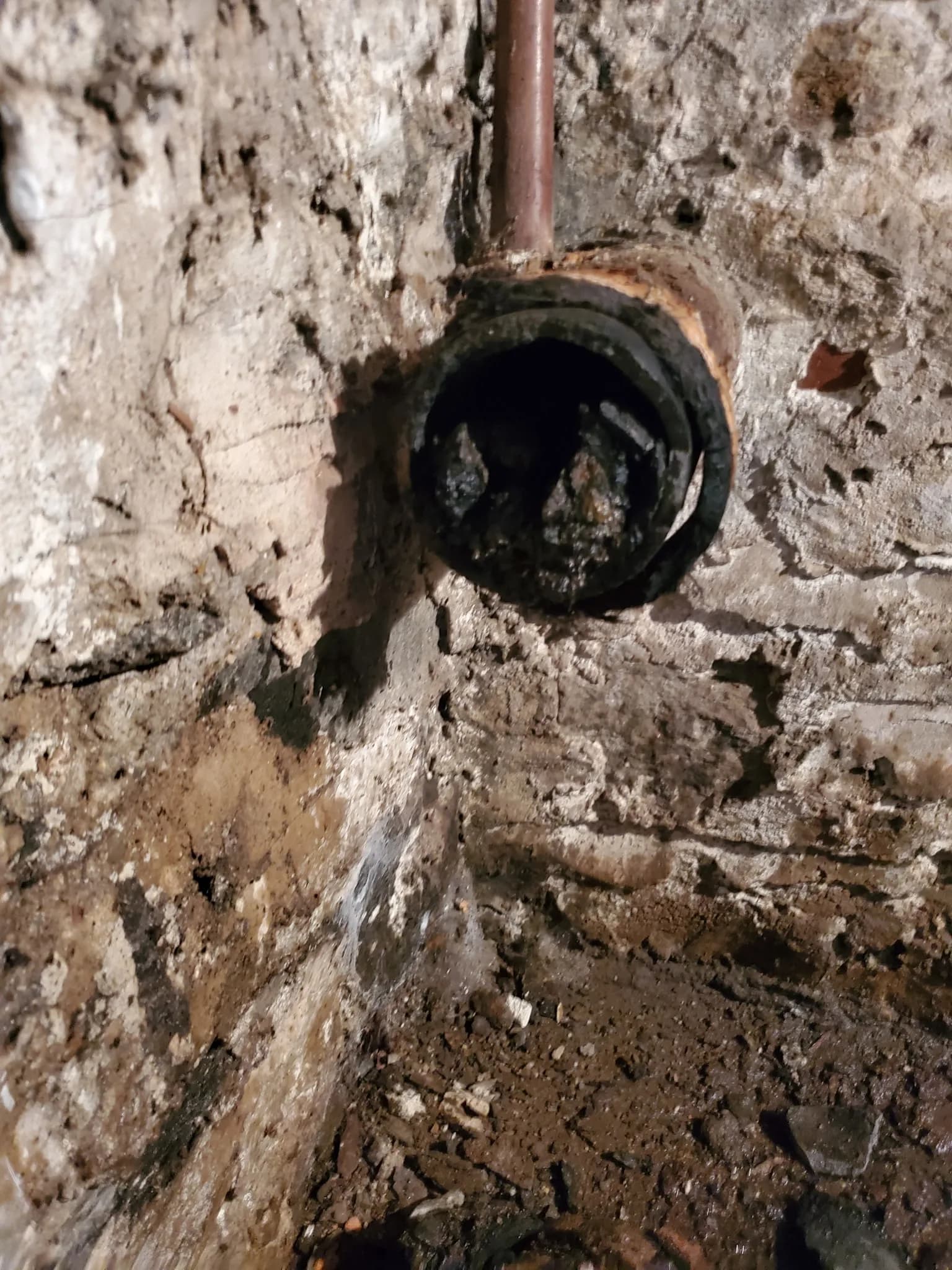
Grease buildup in kitchen lines, hair and soap scum in bathroom drains, and mineral scale in older pipes are the most common causes of slow or blocked drains in NYC homes. New York's housing stock makes all three worse than they would be elsewhere: a pre-war Brooklyn brownstone or a Bronx walk-up is often still draining through its original cast-iron branch lines, and the interior of that pipe is no longer the diameter it was when the building went up. Scale and hardened grease build along the pipe wall year after year until a line that once handled a full sink of dishwater catches on debris that would have flushed straight through when the building was new.
That narrowing is why the same drain can clog repeatedly even when nothing about your habits has changed. It is also why store-bought chemical cleaners are usually the wrong answer here. Caustic drain products can eat through the softened clog at the surface while doing nothing about the buildup coating the rest of the run, and in older cast-iron and galvanized lines they accelerate the corrosion that caused the narrowing in the first place. A drain that clears with chemicals and re-clogs a few weeks later has not been fixed — it has been postponed.
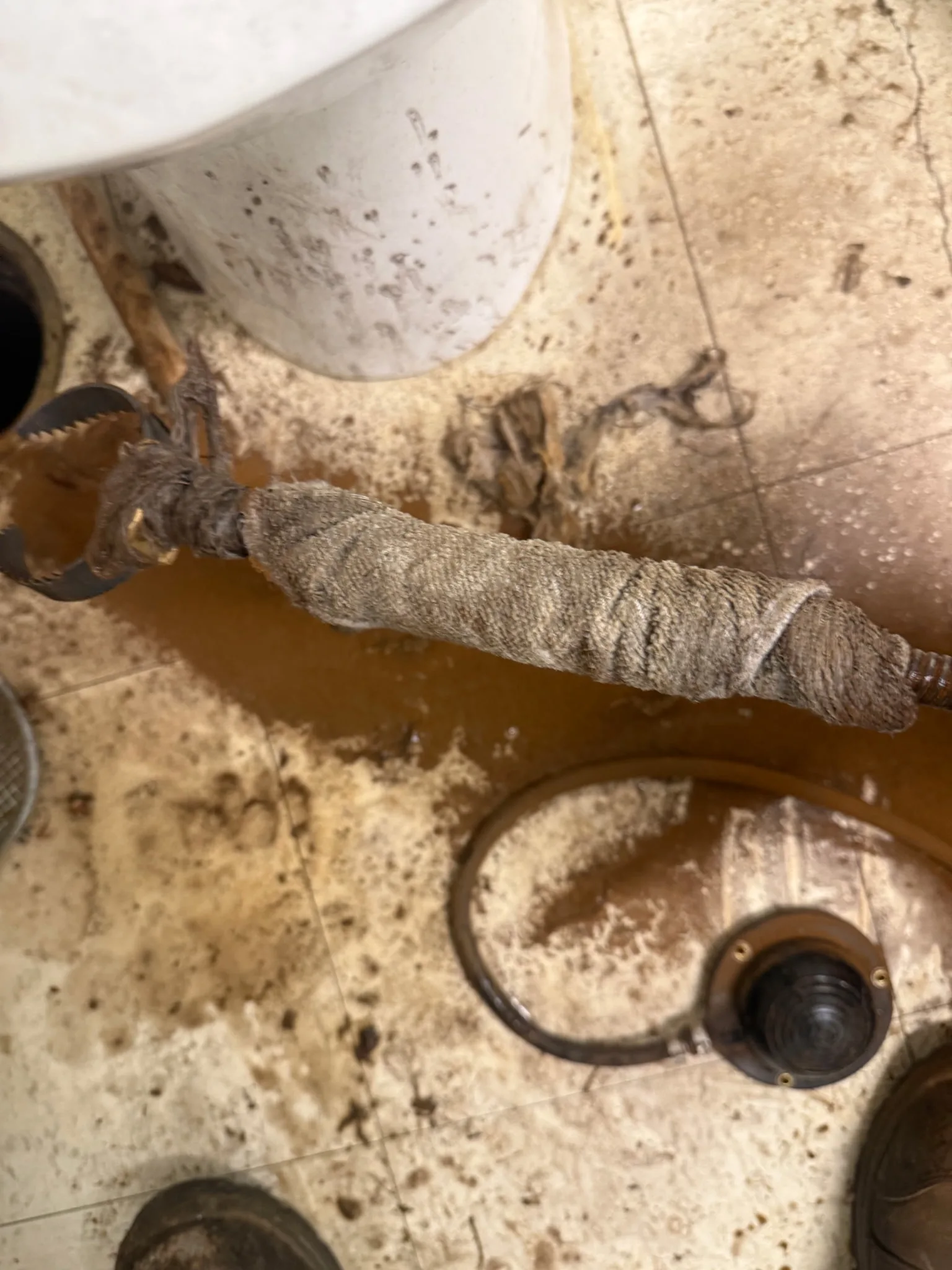
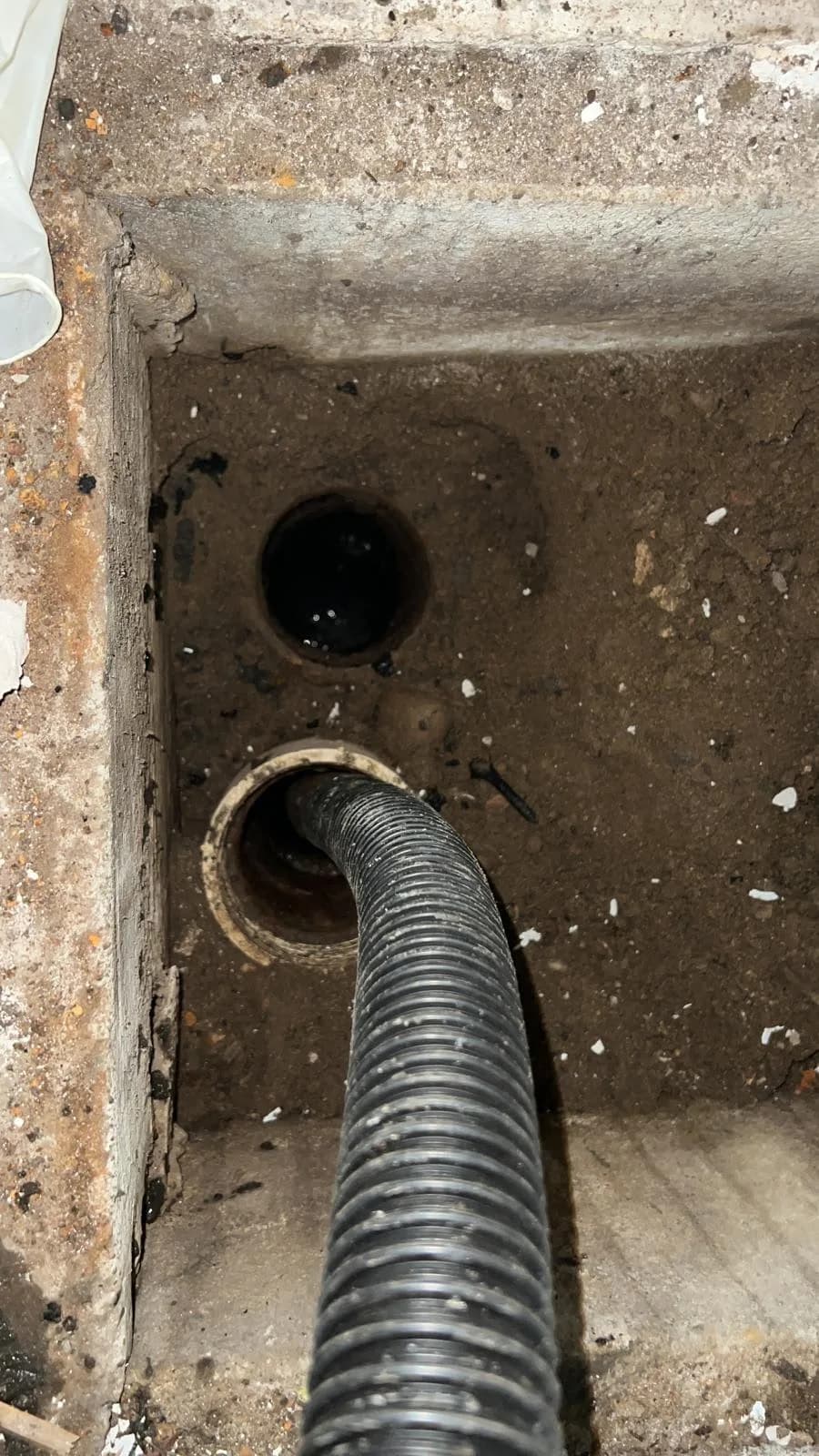
We diagnose which drain line is actually affected before choosing a method. A single slow fixture is a different job than a branch line serving a whole bathroom, and both are different from a main line problem showing up first at the lowest drain in the building. Cabling clears most localized blockages. Hydro-jetting is the better choice when the problem is accumulated grease or scale coating the pipe wall, because it scours the line back toward its original diameter instead of punching a hole through the middle of the buildup. Which one your line needs depends on the pipe material, its condition, and what is actually blocking it.
We also check nearby fixtures before calling the job done. If a kitchen sink is slow but the tub two rooms away gurgles when it drains, the blockage is not in the sink — it is downstream where both lines meet, and clearing only the sink would send you back to square one within weeks. In multi-family buildings where several units tie into one shared stack, that check is what separates a fixture-level clog from a building-level problem, and it determines whether the repair is your responsibility or the building's.
Warning Signs
Signs You Need Drain Cleaning
Water draining slowly from a sink, tub, or shower
Gurgling sounds from drains or toilets when other fixtures run
Recurring clogs in the same fixture despite careful use
Bad odor rising from a drain, especially in warm weather
Multiple fixtures backing up at once
Water backing up into a different fixture when you run the sink or flush
A drain that empties normally at first, then slows partway through
Standing water in a tub or shower base that takes minutes to clear
Common Causes
What Usually Causes This
Realistic explanations, not a diagnosis of your specific property — an on-site visit confirms the actual cause.
- Grease and cooking fat solidifying inside kitchen drain lines as it cools, gradually narrowing the passage
- Hair and soap scum accumulating around the crossbars and trap of bathroom sink and tub drains
- Mineral scale gradually narrowing the interior of older cast-iron and galvanized pipes
- Foreign objects, wipes, or excess paper caught at a bend or fitting in the line
- Root intrusion or a partial blockage further down the line, which shows up first as a slow fixture drain
- A blocked or improperly sized vent, which starves the drain of air and produces slow flow and gurgling without any real clog
- A shared branch line or stack in a multi-unit building carrying a blockage from another apartment
Our Process
How It Works
Identify the affected line
We run the suspect fixture and the ones around it to find out whether the blockage sits in a single trap, a branch line serving several fixtures, or the main line — the answer changes the whole approach.
Check pipe material and access
We locate the nearest cleanout and confirm what the line is made of, since cast iron, galvanized, PVC, and older clay all tolerate different clearing methods.
Choose the clearing method
Cabling handles most localized clogs; hydro-jetting is used where grease or scale is coating the pipe wall and needs to be scoured back rather than punctured.
Clear the blockage
The line is cleared through to open flow, not just to the point where water starts moving again — a partially opened line re-clogs quickly.
Flow test and neighboring fixtures
We run sustained water through the line and watch nearby drains for gurgling or backup, which would indicate the real blockage is further downstream.
Report and prevention
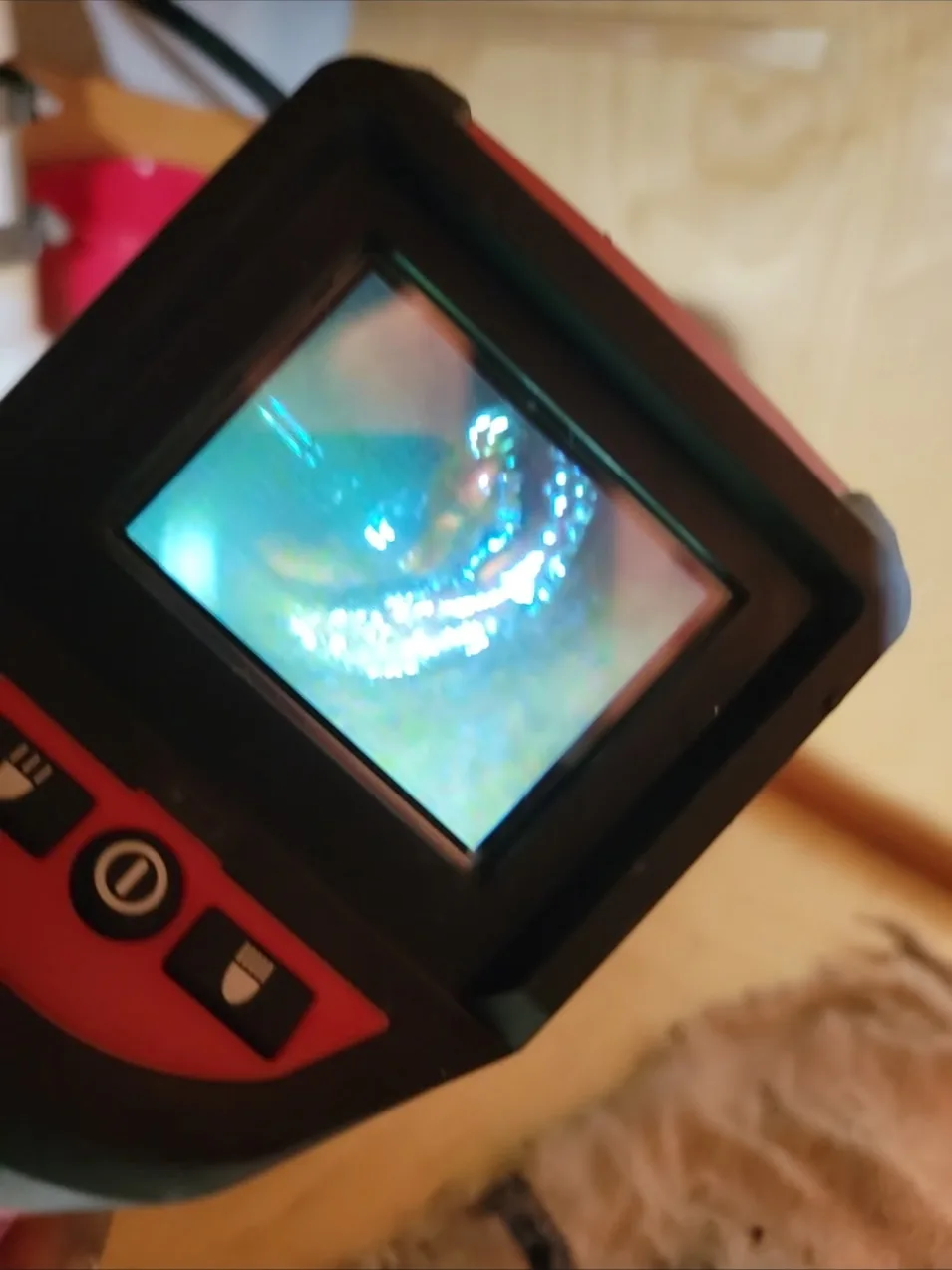
We tell you what actually came out of the line, whether the pipe's condition suggests this will recur, and whether a camera inspection is worth doing before it does.
Repair vs. Replacement
Which One Actually Makes Sense
Repair Often Makes Sense When
- The blockage is localized and the line clears to full flow with cabling or jetting
- The pipe interior looks sound on camera, with no cracks, offsets, or bellied sections
- This is a first or occasional clog rather than a repeating pattern in the same line
Replacement Often Makes Sense When
- The same line clogs again within weeks of being cleared, despite a thorough job
- A camera pass shows cracking, separated joints, or a bellied section holding standing water
- Scale or corrosion has narrowed the pipe so far that jetting only buys a few months
- The line is original galvanized pipe, which corrodes closed from the inside and cannot be restored by cleaning
Most drain calls end at cleaning — replacement is the exception, not the default. If a line has cleared and stayed clear, there is no reason to open a wall. We only raise pipe repair or replacement when the line keeps failing after a proper clearing, and we would rather show you the camera footage than ask you to take our word for it.
Pricing Guidance
Typical Cost Factors
Drain cleaning costs depend on which line is affected and what method is needed to clear it, so pricing follows a quick on-site assessment. What typically factors in:
Final pricing depends on the line affected and the clearing method needed.
NYC Considerations
What's Different About NYC Housing
- Older buildings across the city often have narrower or scaled interior pipe diameters than modern plumbing, making buildup a more frequent issue than the same habits would cause in newer construction
- Multi-family buildings sometimes share branch lines and stacks between units, so a clog affecting more than one apartment may point to a shared line rather than an individual fixture — and that distinction usually determines who is responsible for the repair
- Restaurant-adjacent or older mixed-use buildings can have kitchen lines with years of accumulated grease requiring more than a basic cabling
- Pre-war brownstones and rowhouses in Brooklyn and Manhattan frequently still drain through original cast-iron branch lines, which respond differently to cabling than modern PVC
- Cleanout access in tight NYC basements, under built-in cabinetry, or behind finished walls can be limited, which affects how a line is reached
Our Work
Before & After
Photo gallery of specific completed jobs coming soon — here's what the visit typically looks like.
Drain Cleaning photos coming soon
Drain Cleaning photos coming soon
Reviews
What Homeowners Say
“I had a leak in my living room ceiling and couldn't figure out where it was coming from. Keon and his employee showed up quickly after I reached out. They were professional, patient, and took the time to explain everything to me.”
Lisa B.
Brooklyn, NY · Pipe Repair
“Worked on the complicated pipes in our 125-year-old home. We were satisfied with the work and would hire again.”
Makeba D.
Brooklyn, NY · Pipe Repair
“Keon was able to come the same day. He was very meticulous pinpointing the issue and tried to be as minimally invasive as possible.”
Elias Z.
Brooklyn, NY · Pipe Repair
Service Area
Drain Cleaning Across New York
Choose your borough for local details and neighborhood coverage.
FAQ
Frequently Asked Questions
It depends on which line is blocked and how it has to be cleared — a single slow bathroom sink cleared by cable is a much smaller job than a grease-packed kitchen branch line that needs hydro-jetting, so a flat published rate would be misleading before anyone has looked at it. You get the price before work starts, not after.
Snaking is one method of drain cleaning; we also use hydro-jetting and other tools depending on the blockage and pipe material. Snaking is best for a localized clog, while jetting is what actually removes grease or scale coating the inside of the pipe.
Recurring clogs in one fixture usually mean one of three things: a partial blockage further down the line that a short snake never reached, a venting problem starving the drain of air, or a pipe that has narrowed from scale and grease to the point where normal use is enough to block it. A camera inspection tells you which without guessing.
We generally advise against them, especially in older pipe systems. They can soften a clog at the surface without touching the buildup coating the rest of the line, and repeated use accelerates corrosion in older cast-iron and galvanized pipes. If you have already used them, mention it — it changes how we approach the line safely.
Call if more than one fixture is slow or backing up, if a drain gurgles when a different fixture runs, if water backs up into another fixture, or if the same drain has clogged more than twice in a few months. Those are line-level signals, and plunging a single fixture will not resolve any of them.
Most drain cleaning calls are resolved same-day, often within the same visit, across every borough we serve.
If multiple drains back up at once — especially the lowest fixtures in the building — it is often a main line issue rather than a single clogged fixture. We can inspect further with a camera before anyone commits to a bigger repair.
Yes. A large share of our drain work is in apartments, brownstone units, and co-ops, where the first question is usually whether the blockage is in your line or the building's shared stack. We identify which before any work is done.
Related Services
You May Also Need
From the Blog
More on Drain Cleaning
Drain Cleaning Checklist: What to Try Before You Call a Plumber
Not every slow drain needs a service call — but knowing when it does can save you from a bigger repair later.
Why Drains Keep Clogging in Brooklyn Apartments
If the same drain clogs every few months no matter how careful you are, the cause usually isn't what you think.
Need Drain Cleaning?
Call now for same-day scheduling across New York City and Long Island.