
Pipe & Drain
Leak Detection
A rising water bill or a faint damp smell is often the only warning sign of a hidden leak. Our detection process finds the source with minimal or no demolition.
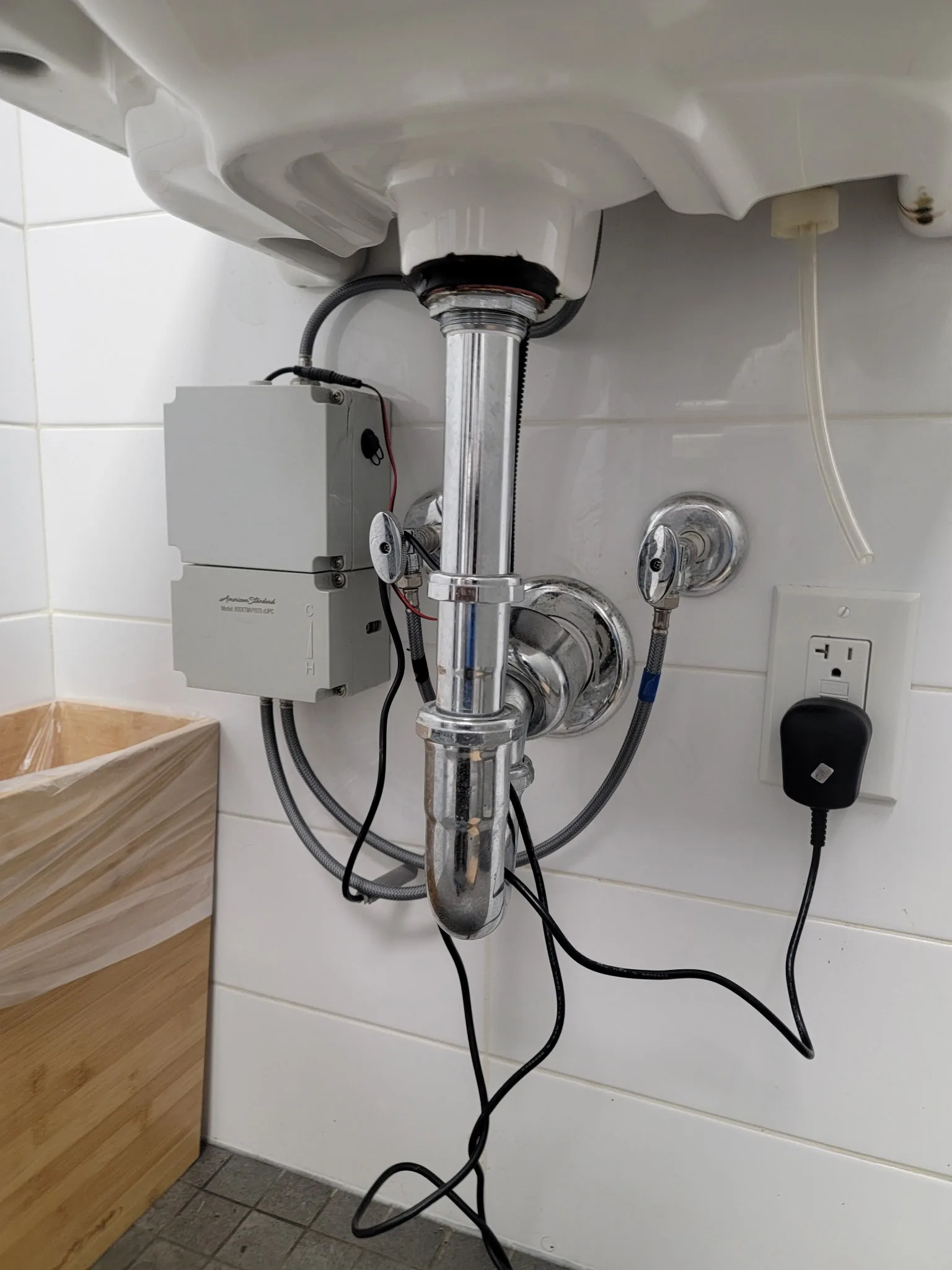
Hidden leaks behind walls, under slabs, or within ceiling cavities are difficult to locate by guesswork alone. We use acoustic listening devices, moisture meters, and thermal imaging to pinpoint the source before recommending any repair.
Accurate detection saves money twice over — it avoids unnecessary demolition searching for the leak, and it stops ongoing water loss and potential mold growth as early as possible.
Warning Signs
Signs You Need Leak Detection
Water bill has increased with no change in usage
Sound of running water with all fixtures off
Warm or damp spots on floors near hot water lines
Mold, mildew smell, or peeling paint with no obvious source
Water meter continues moving when everything is off
Common Causes
What Usually Causes This
Realistic explanations, not a diagnosis of your specific property — an on-site visit confirms the actual cause.
- A pinhole leak in aging copper supply piping inside a wall or ceiling cavity
- A slab leak in a below-grade or ground-floor pipe run
- A slow leak at a fitting or joint that's inaccessible without exploratory work
- A failing wax ring or supply connection behind a wall-mounted fixture
- An underground service line leak between the street and the building
Our Process
How It Works
Water usage check
We confirm active water loss using the meter and isolate which system is affected.
Acoustic & thermal scanning
Specialized equipment listens for and images the leak's likely location.
Location confirmation
We narrow the leak to a specific section before any opening is made.
Repair recommendation
You receive a clear plan for repair with minimal disruption.
Pricing Guidance
Typical Cost Factors
Leak detection costs depend on the suspected location and how much equipment time is needed to isolate it, so pricing follows a brief phone or on-site assessment. What typically factors in:
Final pricing depends on the scope of detection needed and is confirmed before work begins.
NYC Considerations
What's Different About NYC Housing
- Slab leaks are less common in NYC's mostly basement-and-cellar housing stock than in slab-on-grade regions, but do occur in ground-floor additions and some newer construction
- Shared walls in attached rowhouses and townhouses mean a leak can travel and show up on a neighboring unit's side before it's obvious on the source side
- Older buildings with multiple past renovations sometimes have plumbing runs that don't match current floor plans, which detection work has to account for
Our Work
Before & After
Photo gallery of specific completed jobs coming soon — here's what the visit typically looks like.
Leak Detection photos coming soon
Leak Detection photos coming soon
Reviews
What Homeowners Say
“I had a leak in my living room ceiling and couldn't figure out where it was coming from. Keon and his employee showed up quickly after I reached out. They were professional, patient, and took the time to explain everything to me.”
Lisa B.
Brooklyn, NY · Pipe Repair
“Worked on the complicated pipes in our 125-year-old home. We were satisfied with the work and would hire again.”
Makeba D.
Brooklyn, NY · Pipe Repair
“Keon was able to come the same day. He was very meticulous pinpointing the issue and tried to be as minimally invasive as possible.”
Elias Z.
Brooklyn, NY · Pipe Repair
Service Area
Leak Detection Across New York
Choose your borough for local details and neighborhood coverage.
FAQ
Frequently Asked Questions
In most cases, yes — acoustic and thermal detection locate the leak with little to no exploratory demolition.
An unexplained rise in your water bill or the sound of running water with fixtures off are the two most common indicators.
Yes, we regularly locate leaks running beneath concrete slabs using specialized listening equipment.
Most detection visits take one to two hours depending on the size of the home and complexity of the plumbing layout.
We provide a clear repair estimate and can typically perform the repair during the same visit or a scheduled follow-up.
Related Services
You May Also Need
From the Blog
More on Leak Detection
Toilet Installation Guide: What Homeowners Should Know
A rocking or leaking toilet almost never means you bought the wrong one — it usually comes down to installation details.
Emergency Plumbing Checklist: What to Do Before Help Arrives
The first five minutes of a plumbing emergency matter more than people realize. Here's what to do.
Signs Your Home Still Has Galvanized Pipes
If your home was built before the 1960s, there's a good chance galvanized steel is still part of your plumbing.
Need Leak Detection?
Call now for same-day scheduling across New York City and Long Island.