Water Heater
Water Heater Repair
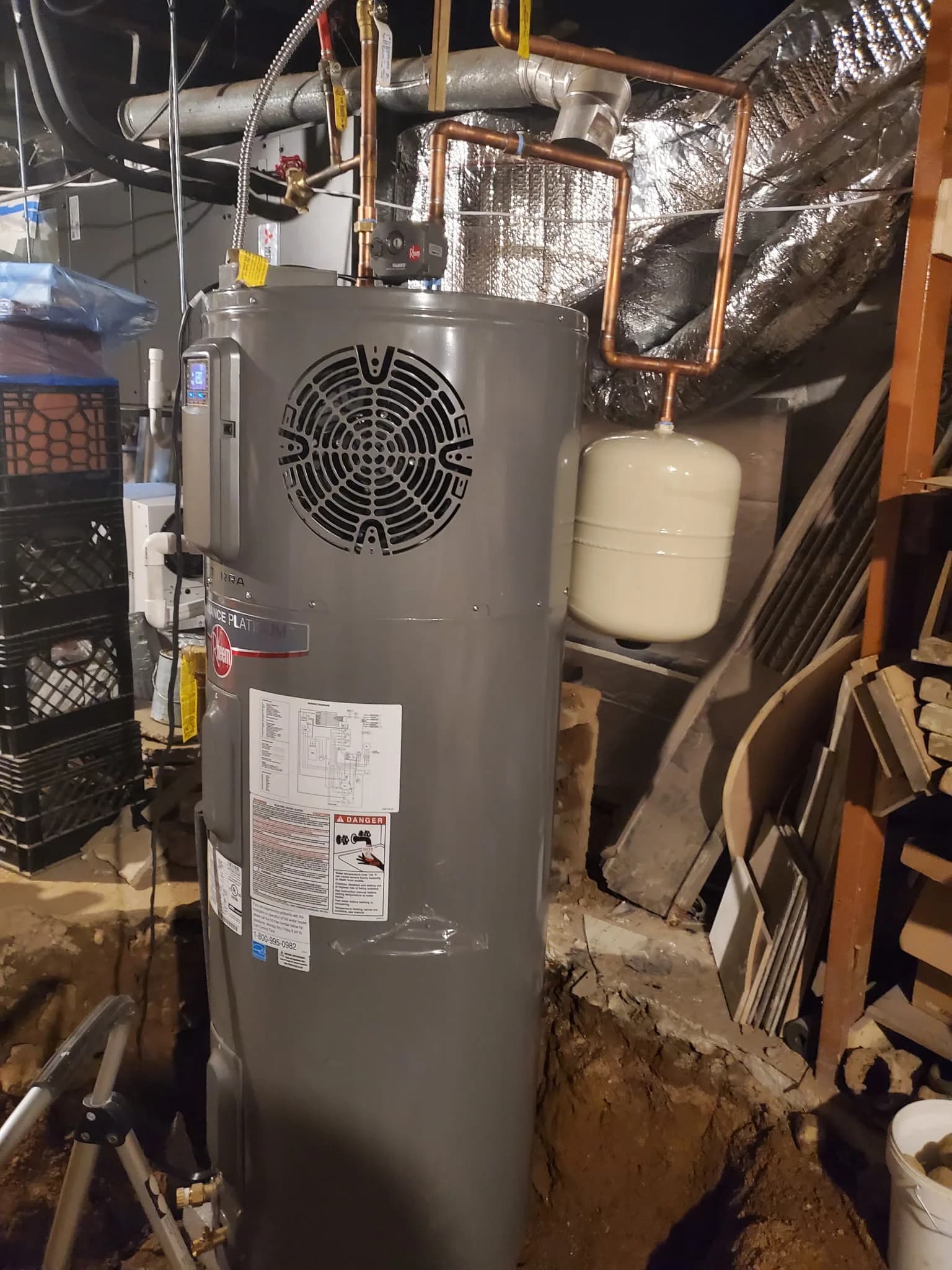
Water heater repair across NYC — no hot water, a tank that runs cold halfway through a shower, rumbling from the bottom of the unit, or water where there should not be any. No hot water rarely has just one cause. We diagnose the actual component at fault — thermostat, element, pilot, thermocouple, or the tank itself — rather than guessing.
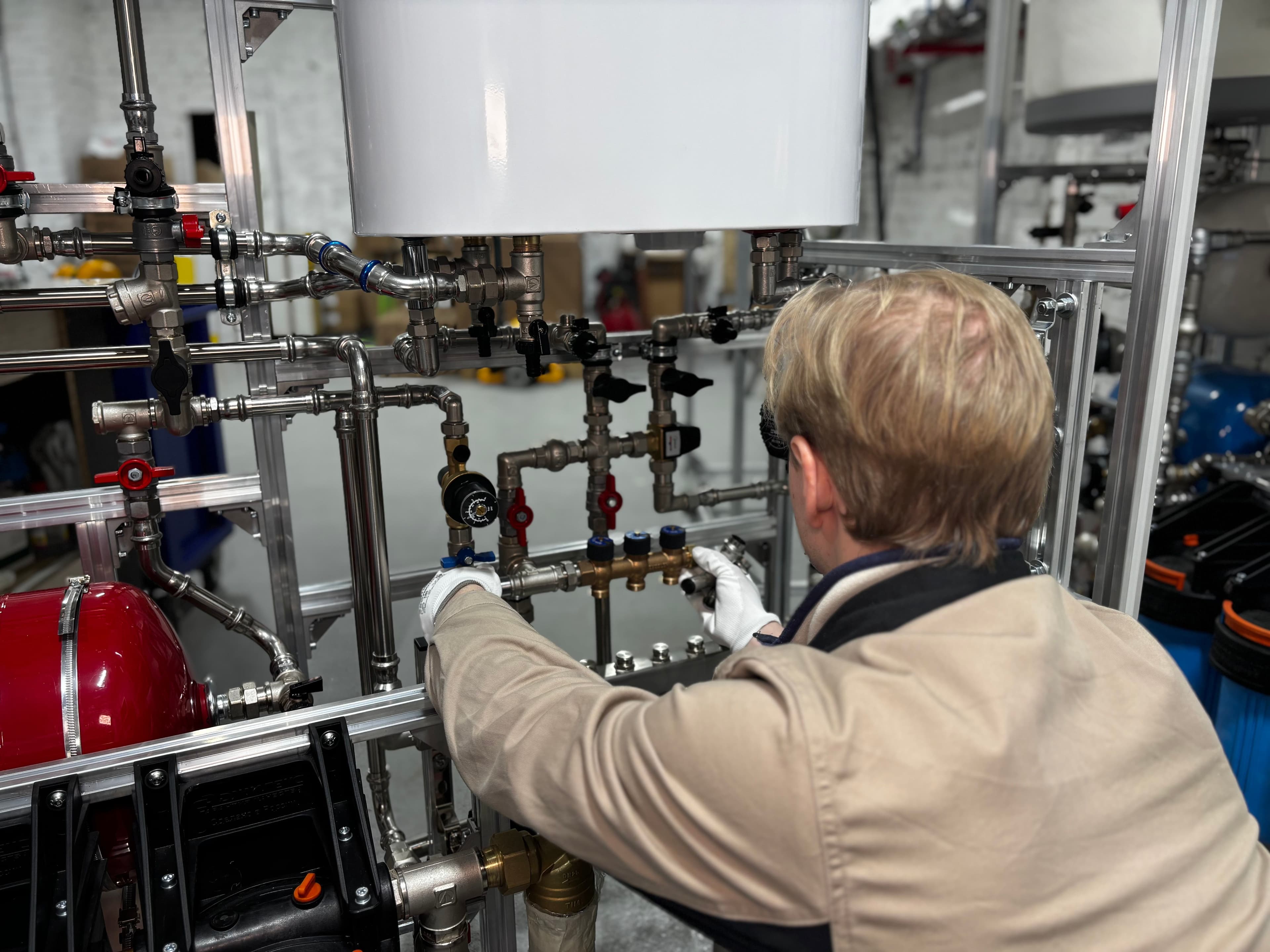
Water heater problems fall into a few distinct families, and telling them apart matters because the fix and the cost are nothing alike. Electric units usually fail at a heating element or thermostat: hot water disappears suddenly and completely, or the tank produces lukewarm water because one of two elements has burned out while the other still works. Gas units more often fail at the pilot, thermocouple, or gas control valve, where a safety device correctly shuts off gas flow because it can no longer confirm a flame. Neither of those is a failure of the tank, and neither justifies replacing the unit.
Sediment is the quiet one. Minerals suspended in the water settle to the bottom of the tank and build a layer that insulates the burner or lower element from the water it is supposed to heat. The unit works harder for less hot water, capacity drops off, and the popping or rumbling many homeowners describe is water flashing to steam underneath that sediment layer. In buildings on older service lines, this accumulates faster than most people expect, and a tank that was never flushed can lose a meaningful share of its usable capacity to sediment alone.
The failures that do mean replacement are worth naming plainly, because this is where homeowners are most often sold the wrong thing. Rusty or discolored hot water, or water seeping from the body of the tank rather than from a fitting or valve, indicates the steel tank itself has corroded through. There is no repair for that — the glass lining has failed and the tank will eventually let go. A leak at a connection, a relief valve, or a drain valve is a different matter entirely and is very often a straightforward repair on an otherwise sound unit.
Our technicians carry common replacement parts for major residential brands, which means most repairs — thermostats, heating elements, thermocouples, pilot assemblies, relief valves, and dip tubes — are completed in a single visit rather than scheduled twice around a parts order. We also check the anode rod and the unit's overall condition while we are there, because a repair on a tank that is about to fail for a different reason is not a good outcome for anybody, and you should hear that before you pay for it, not after.
Warning Signs
Signs You Need Water Heater Repair
No hot water at all, or hot water that runs out much faster than it used to
Water heater making popping, rumbling, or crackling noises
Water leaking from the tank, connections, or relief valve
Rusty or discolored hot water
Pilot light won't stay lit on a gas unit
Hot water that is lukewarm no matter how the thermostat is set
Water temperature swinging between hot and cold during a single shower
A burning or metallic smell near an electric unit
Common Causes
What Usually Causes This
Realistic explanations, not a diagnosis of your specific property — an on-site visit confirms the actual cause.
- Failed heating element or thermostat on electric units, the most common cause of a sudden loss of hot water
- Thermocouple or pilot failure on gas units, which shuts off gas flow as a safety measure when the pilot won't stay lit
- Sediment buildup at the bottom of the tank, which insulates the burner or element from the water and reduces both capacity and efficiency
- A failing dip tube, which lets cold water mix directly with hot water in the tank instead of routing it to the bottom
- A worn pressure relief valve or tank fitting starting to leak
- A depleted anode rod, which stops protecting the tank lining and allows internal corrosion to accelerate
- A tripped high-limit switch or a gas control valve that has failed closed, both of which read as a dead unit from outside
Our Process
How It Works
Confirm the symptom
No hot water, not enough hot water, and inconsistent hot water point toward different components — we start by pinning down which of the three you actually have.
Diagnosis
We test the thermostat, heating elements or burner and pilot assembly, gas control or electrical supply, and the physical condition of the tank.
Rule the tank in or out
Before quoting any repair, we determine whether the tank body itself has corroded through — because if it has, a component repair would be money spent on a unit that is already failing.
Repair estimate
You get a clear cost estimate before work begins, and where the unit is near end-of-life, an honest comparison against replacement rather than a repair by default.
Repair
Common parts for major residential brands are carried on the truck, so most repairs are completed in the same visit.
Performance test
We confirm consistent hot water temperature, recovery, and pressure, and verify the relief valve and connections are dry before finishing.
Repair vs. Replacement
Which One Actually Makes Sense
Repair Often Makes Sense When
- The tank itself shows no rust or leaking — the problem is a component like a thermostat, element, or thermocouple
- The unit is under roughly 8-10 years old
- This is the first repair needed on the unit
Replacement Often Makes Sense When
- Water coming out is rusty or discolored, suggesting internal tank corrosion
- The tank itself is leaking, not just a fitting or valve
- The unit is approaching or past its typical service life and repairs are becoming more frequent
A tank leaking from the tank body itself, rather than a fitting, almost always means replacement — but component failures on an otherwise sound tank are usually a straightforward repair.
Pricing Guidance
Typical Cost Factors
Water heater repair costs depend on which component failed and whether the unit is gas or electric, so pricing follows an on-site diagnosis. What typically factors into the estimate:
Final pricing depends on the diagnosed component and is confirmed before any repair work begins.
NYC Considerations
What's Different About NYC Housing
- Many NYC water heaters sit in tight utility closets, under stairs, or in shared mechanical rooms, which affects how a unit is accessed and whether a full tank can be drained in place
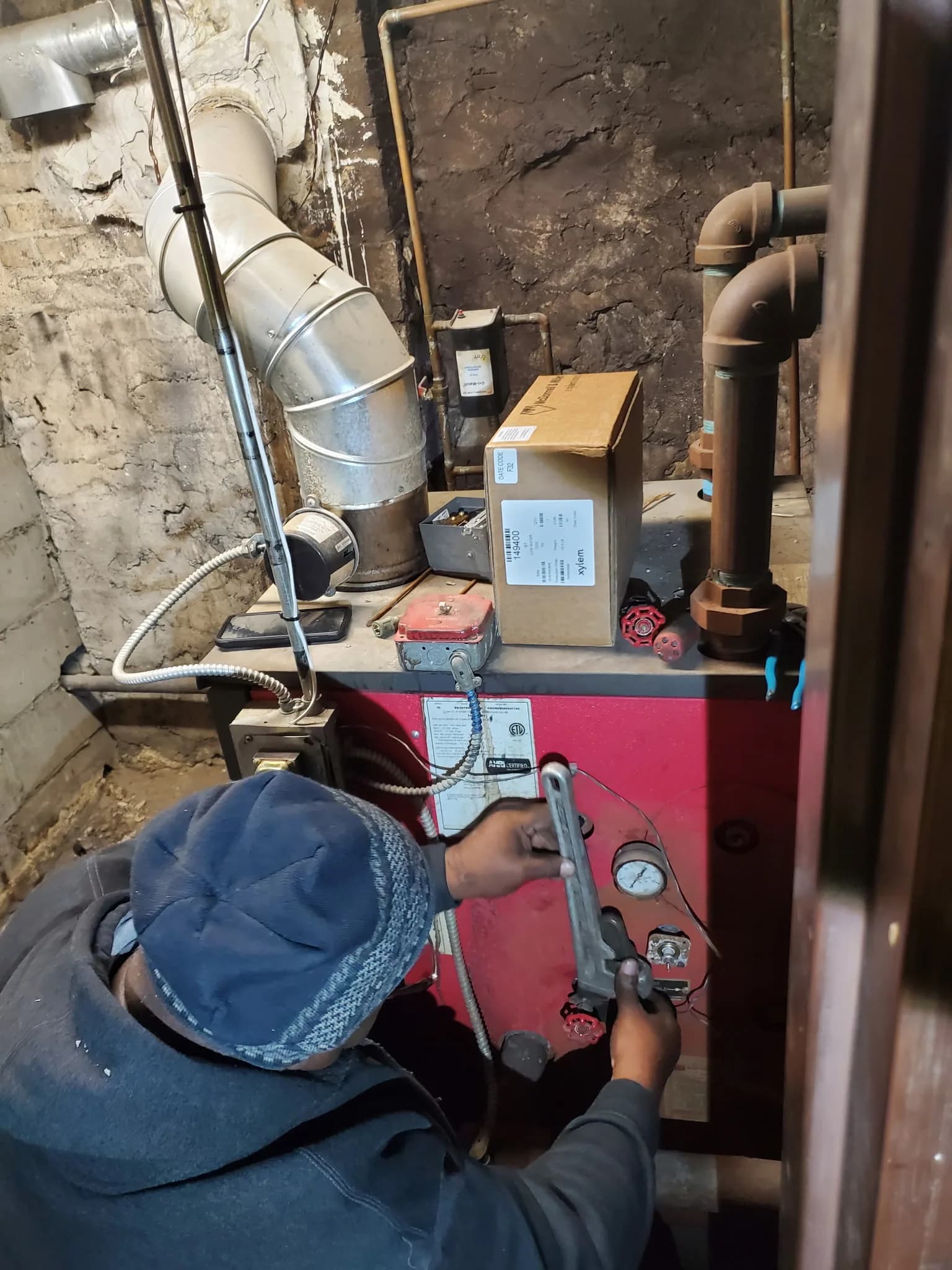
- In older buildings, a gas water heater may share a chimney or vent with the boiler, so a venting problem can present as a water heater fault when the cause is elsewhere in the shared flue
- Co-op and condo buildings sometimes require notice to management before work on a unit tied to shared gas or venting
- Basement and cellar installations across the city carry more water damage exposure if a tank fails, which makes an early diagnosis on a leaking unit worth more than it would be elsewhere
- Buildings with older service piping tend to accumulate sediment faster, so capacity complaints on a unit only a few years old are more common here than the age alone would suggest
Our Work
Before & After
Photo gallery of specific completed jobs coming soon — here's what the visit typically looks like.
Water Heater Repair photos coming soon
Water Heater Repair photos coming soon
Reviews
What Homeowners Say
“I had a leak in my living room ceiling and couldn't figure out where it was coming from. Keon and his employee showed up quickly after I reached out. They were professional, patient, and took the time to explain everything to me.”
Lisa B.
Brooklyn, NY · Pipe Repair
“Worked on the complicated pipes in our 125-year-old home. We were satisfied with the work and would hire again.”
Makeba D.
Brooklyn, NY · Pipe Repair
“Keon was able to come the same day. He was very meticulous pinpointing the issue and tried to be as minimally invasive as possible.”
Elias Z.
Brooklyn, NY · Pipe Repair
Service Area
Water Heater Repair Across New York
Choose your borough for local details and neighborhood coverage.
FAQ
Frequently Asked Questions
It depends on which component failed and whether the unit is gas or electric — a thermocouple and a gas control valve are very different jobs on the same tank. We diagnose first and give you the estimate before any work starts, including an honest repair-versus-replace comparison if the unit is near end-of-life.
On an electric unit it is most often a failed heating element or thermostat, or a tripped high-limit switch. On a gas unit it is usually the pilot, thermocouple, or gas control valve — a safety device shutting off gas because it can no longer confirm a flame. All of these are repairs, not replacements.
No, and this is the most important distinction on this page. A leak at a fitting, a drain valve, or the pressure relief valve is usually a straightforward repair on a sound unit. Water seeping from the body of the tank itself means the steel has corroded through, and that cannot be repaired — the tank has to be replaced.
That is almost always sediment. Minerals settle at the bottom of the tank and trap water underneath, which flashes to steam and produces the popping sound. It also insulates the burner from the water, so you get less hot water while using more fuel. Flushing often helps if it is caught before the buildup is severe.
Most tank units run roughly 8-12 years, though water conditions and whether the tank was ever flushed matter more than the calendar. A well-maintained unit can pass that comfortably; a neglected one may not reach it. Age alone is not a reason to replace a unit that is working and shows no tank corrosion.
Repair generally makes sense when the tank is sound and a single component failed, especially on a unit under about eight years old. Replacement makes sense when the tank itself is leaking or producing rusty water, or when repairs are becoming repeat visits. We will give you the comparison during the visit rather than defaulting to whichever is larger.
Usually, yes. Our technicians carry thermostats, elements, thermocouples, pilot assemblies, and relief valves for major residential brands, so most repairs are done in one visit rather than scheduled twice around a parts order.
Yes. Tankless units fail differently — scale buildup in the heat exchanger, flow sensor faults, and ignition problems are the common ones — and they are diagnosed and serviced differently than a conventional tank.
Related Services
You May Also Need
 Emergency
From the Blog
More on Water Heater Repair
Tankless vs Tank Water Heaters: Which Is Right for Your NYC Home
The right choice depends less on brand and more on your household's hot water habits and available space.
Water Heater Installation Guide for Brooklyn Homeowners
Replacing a water heater in a Brooklyn brownstone or co-op comes with a few local wrinkles worth planning for.
Need Water Heater Repair?
Call now for same-day scheduling across New York City and Long Island.