Long Island · Pipe & Drain
Pipe Repair in Long Island
Stop the leak before it becomes a renovation. Serving homeowners throughout Long Island, from Hempstead to Port Washington.
Across both counties, homeowners with detached garages, finished basements, and additions built over the decades frequently need pipe replacement or repiping work to bring older sections of the home up to the standard of more recently renovated space. When it comes to pipe repair, that context shapes how we approach every job in Long Island — from the tools we bring to the diagnostic steps we take first.
Long Island pipe work spans a wider range of ages than any single city borough. Prewar houses in the older villages carry the same galvanized problems as Brooklyn; postwar construction is generally copper and has aged reasonably well; and houses built or repiped from the late 1970s into the mid-1990s may contain polybutylene, a grey or blue flexible plastic pipe with a poor reliability record that is worth identifying and planning to replace rather than waiting on.
Finding the leak is often the harder half of the job. Water travels along joists, inside wall cavities, and across framing before it stains a ceiling, so the wet spot is frequently nowhere near the failure. We narrow the location with moisture metering, thermal indicators, and isolation pressure testing before opening any finished surface, because the difference between a targeted eight-inch opening and exploratory demolition is the difference between a repair and a renovation. In Long Island specifically, we regularly see oil-to-gas boiler conversions in original postwar homes and longer sewer and water line runs on larger suburban lots, both of which factor into how we diagnose and price pipe repair calls in the area.
For the full picture on this work — common causes, repair versus replacement, and what actually drives the cost — read our complete guide to pipe repair.
Warning Signs
Signs You Need Pipe Repair in Long Island
Paint or wallpaper bubbling, or a ceiling beginning to sag
Water stains on ceilings, walls, or floors
Unexplained drop in water pressure
Sound of running water when all fixtures are off
Our Process
How It Works
Leak diagnosis
We trace the source using moisture metering, thermal indicators, and isolation testing — water travels before it shows, so the stain is rarely above the failure.
Identify pipe material and failure mode
Copper, galvanized, PEX, and PVC fail differently and are repaired differently; knowing which you have determines whether this is a one-joint fix or a symptom of a run at end-of-life.
Access and assessment
We determine the minimum access required to reach the damaged section, keeping openings as small as the repair allows.
Repair or section replacement
The damaged pipe or joint is repaired or replaced with properly matched materials and transition fittings, not whatever is quickest to fit.
Pressure test
The repaired line is pressure tested and watched under load to confirm the leak is fully resolved before anything is closed up.
Report on surrounding pipe
We tell you honestly what the rest of that run looked like while it was open — whether this was an isolated failure or the first of several.
Coverage
Long Island Neighborhoods We Serve
Our Work
Before & After
Pipe Repair in Long Island photos coming soon
Pipe Repair in Long Island photos coming soon
Reviews
What Long Island Homeowners Say
“I had a leak in my living room ceiling and couldn't figure out where it was coming from. Keon and his employee showed up quickly after I reached out. They were professional, patient, and took the time to explain everything to me.”
Lisa B.
Brooklyn, NY · Pipe Repair
“Worked on the complicated pipes in our 125-year-old home. We were satisfied with the work and would hire again.”
Makeba D.
Brooklyn, NY · Pipe Repair
“Keon was able to come the same day. He was very meticulous pinpointing the issue and tried to be as minimally invasive as possible.”
Elias Z.
Brooklyn, NY · Pipe Repair
FAQ
Frequently Asked Questions
Yes. Our technicians work with copper, PEX, PVC, and galvanized steel piping systems, including the transitions between them, which are where a lot of NYC failures actually occur.
If it is safe to reach, shut off the nearest supply valve, or the main if the leak is not isolated to one fixture. Keep water away from outlets and electrical panels, and move what you can out of the affected area — containment before we arrive limits the damage considerably.
It depends most on access and pipe material, not on the size of the leak itself — an exposed joint in an open basement and the same failure inside a finished wall are very different jobs. We locate the leak and assess access first, then give you the number before any work starts.
We use moisture meters, thermal indicators, and isolation pressure testing to narrow the location before opening any surface. Water runs along framing before it shows, so the visible stain is often well away from the actual failure — narrowing it properly is what keeps the opening small.
It is a grey or blue flexible plastic supply pipe used in some construction from the late 1970s into the mid-1990s, with a poor reliability record. If your house has it, it is worth planning replacement rather than waiting for a failure — which is the opposite of the advice for sound copper of the same age.
Less than a prewar homeowner does. Copper from that era has generally aged well, though past the fifty-year mark pinhole leaks become more common. In that vintage, equipment age is usually the more pressing concern than the pipework.
Yes, we serve homeowners across Long Island, including Hempstead, Garden City, Levittown, Huntington, and every neighborhood in between.
Related Services
Other Services in Long Island
From the Blog
More on Pipe Repair
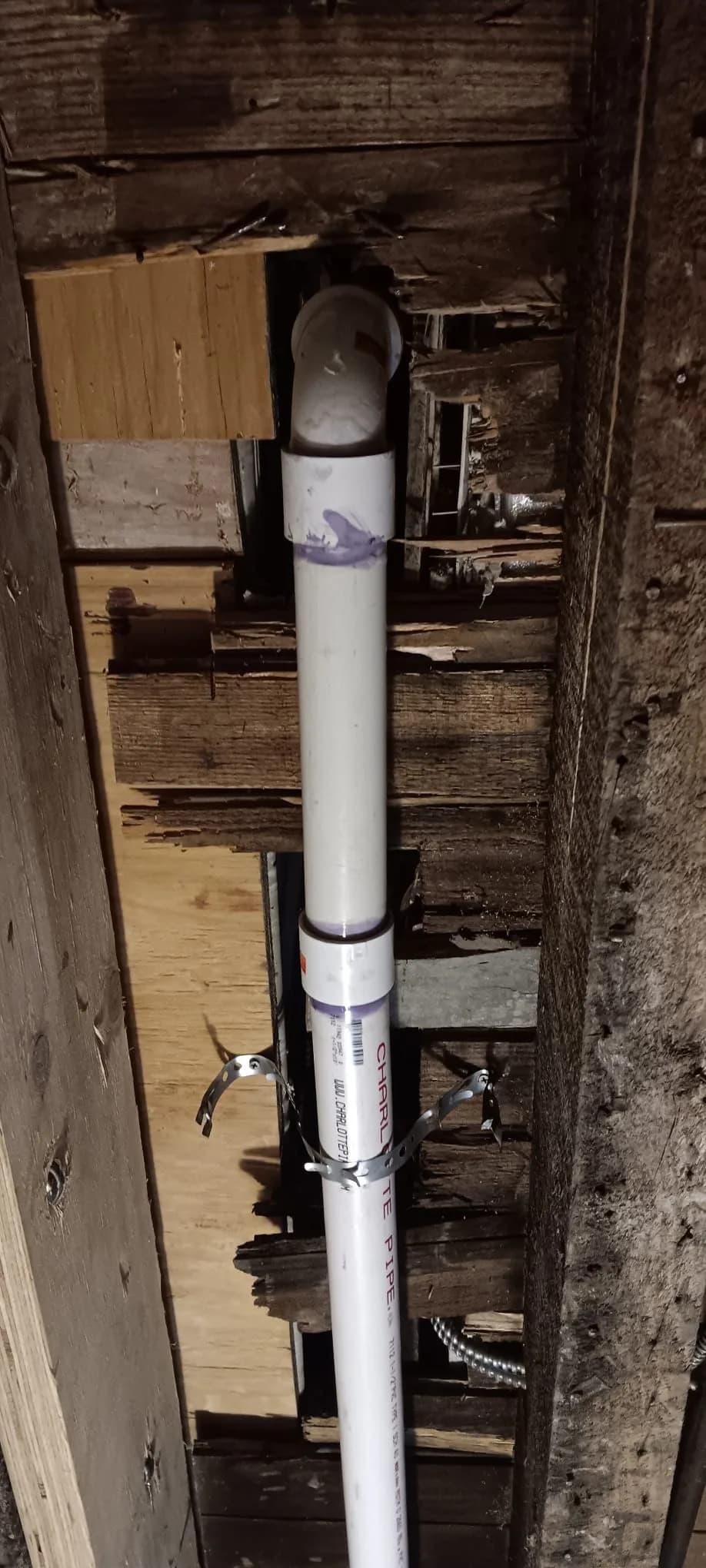
Why Pipes Burst During Winter
It's not the ice that breaks your pipe — it's the pressure buildup behind it. Here's the science and the fix.
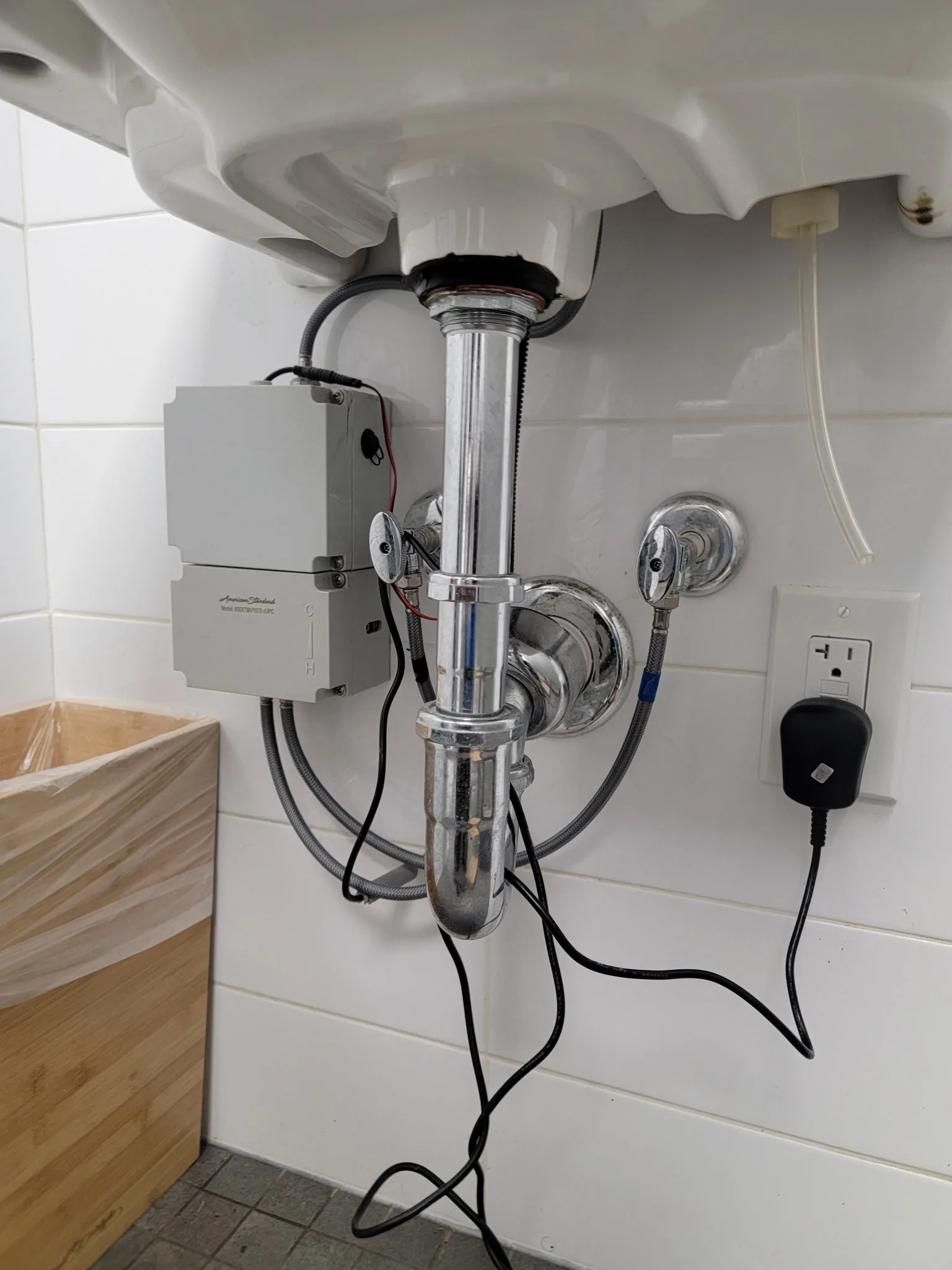
Signs Your Home Still Has Galvanized Pipes
If your home was built before the 1960s, there's a good chance galvanized steel is still part of your plumbing.
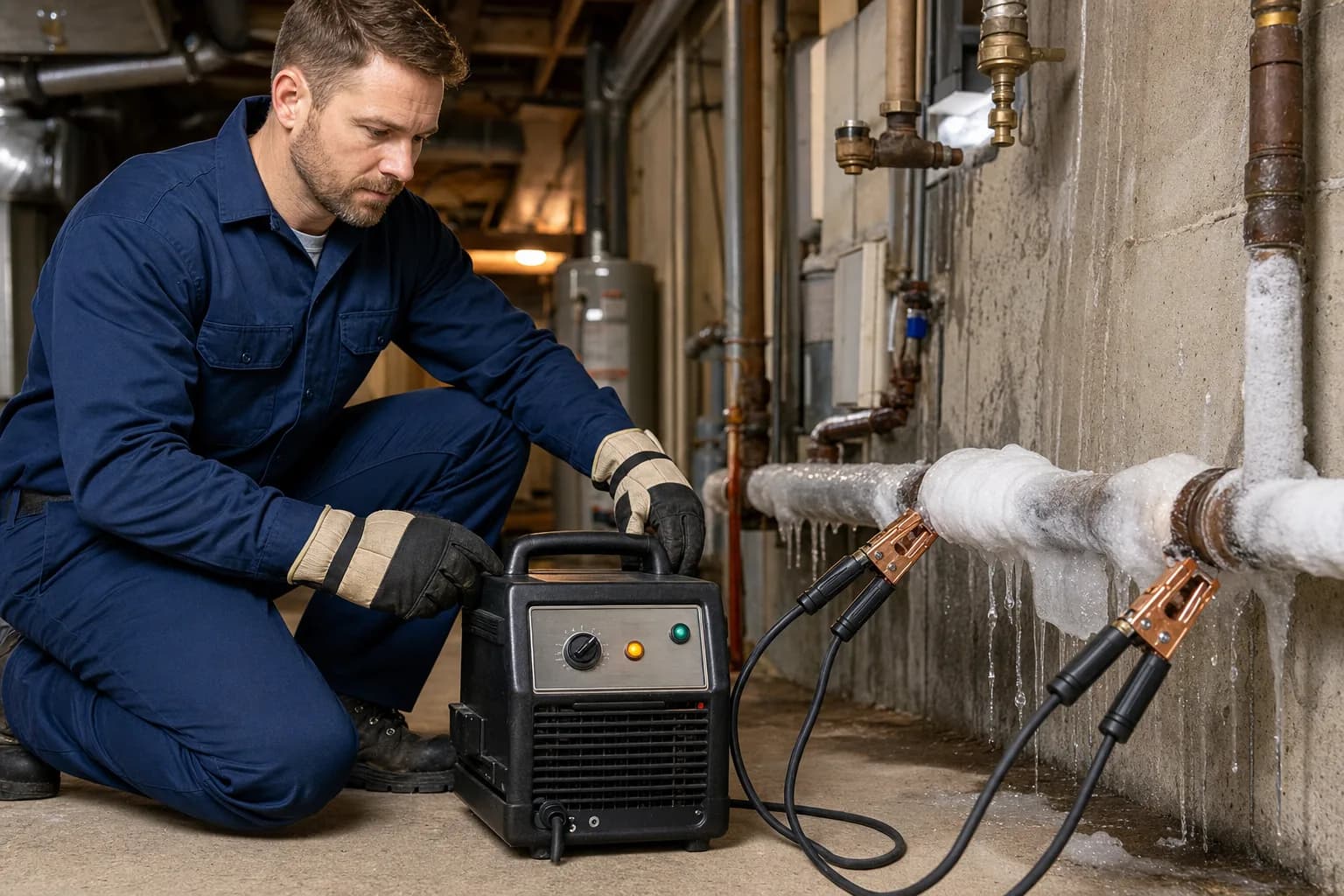
Preventing Frozen Pipes in NYC Basements
Basements are the single most common freeze point in NYC homes — here's how to winterize yours.
Need Pipe Repair in Long Island?
Call now for same-day scheduling.