Queens · Pipe & Drain
Pipe Repair in Queens
Stop the leak before it becomes a renovation. Serving homeowners throughout Queens, from Astoria to Woodside.
Queens' mix of housing ages also means sewer line issues vary widely — from root intrusion in older clay laterals near tree-lined streets in Forest Hills to more straightforward drain cleaning calls in newer construction near Long Island City. When it comes to pipe repair, that context shapes how we approach every job in Queens — from the tools we bring to the diagnostic steps we take first.
Queens pipe repairs are dominated by two situations. In the extensively converted housing through Elmhurst, Corona and Jackson Heights, supply lines sized for the original fixture count now serve considerably more, so the complaint is usually pressure collapsing during simultaneous use rather than an outright leak. In the housing renovated over the past few decades, partial repipes frequently joined new copper directly to old galvanized without a dielectric union, and those junctions corrode faster than either metal alone — a specific leak point we look for here.
Pinhole leaks in aging copper are a signature problem in homes built before the 1980s across Queens and Brooklyn. They come from corrosion working outward from the inside of the pipe, which means the pinhole you can see is rarely the only thin spot on that run — it is simply the first one to open. Galvanized steel fails the opposite way from the perspective of a homeowner: it rusts inward, restricting flow long before it leaks, so the first symptom is usually declining water pressure or rust-colored water rather than anything visibly wet. In Queens specifically, we regularly see aging hot-water boilers in postwar attached homes and root intrusion into clay sewer laterals in tree-lined neighborhoods, both of which factor into how we diagnose and price pipe repair calls in the area.
For the full picture on this work — common causes, repair versus replacement, and what actually drives the cost — read our complete guide to pipe repair.
Warning Signs
Signs You Need Pipe Repair in Queens
Sound of running water when all fixtures are off
Musty smell or visible mold near walls or baseboards
Unusually high water bill with no obvious cause
Rust-colored or discolored water from hot or cold taps
Our Process
How It Works
Leak diagnosis
We trace the source using moisture metering, thermal indicators, and isolation testing — water travels before it shows, so the stain is rarely above the failure.
Identify pipe material and failure mode
Copper, galvanized, PEX, and PVC fail differently and are repaired differently; knowing which you have determines whether this is a one-joint fix or a symptom of a run at end-of-life.
Access and assessment
We determine the minimum access required to reach the damaged section, keeping openings as small as the repair allows.
Repair or section replacement
The damaged pipe or joint is repaired or replaced with properly matched materials and transition fittings, not whatever is quickest to fit.
Pressure test
The repaired line is pressure tested and watched under load to confirm the leak is fully resolved before anything is closed up.
Report on surrounding pipe
We tell you honestly what the rest of that run looked like while it was open — whether this was an isolated failure or the first of several.
Coverage
Queens Neighborhoods We Serve
Our Work
Before & After
Pipe Repair in Queens photos coming soon
Pipe Repair in Queens photos coming soon
Reviews
What Queens Homeowners Say
“I had a leak in my living room ceiling and couldn't figure out where it was coming from. Keon and his employee showed up quickly after I reached out. They were professional, patient, and took the time to explain everything to me.”
Lisa B.
Brooklyn, NY · Pipe Repair
“Worked on the complicated pipes in our 125-year-old home. We were satisfied with the work and would hire again.”
Makeba D.
Brooklyn, NY · Pipe Repair
“Keon was able to come the same day. He was very meticulous pinpointing the issue and tried to be as minimally invasive as possible.”
Elias Z.
Brooklyn, NY · Pipe Repair
FAQ
Frequently Asked Questions
We use moisture meters, thermal indicators, and isolation pressure testing to narrow the location before opening any surface. Water runs along framing before it shows, so the visible stain is often well away from the actual failure — narrowing it properly is what keeps the opening small.
Isolated sections can be repaired, and if the rest of the system is sound that is usually the right call. But galvanized rusts from the inside along its whole length, so repeated leaks in different spots, declining pressure, or rust-colored water generally mean the material itself is at end-of-life and a broader repiping plan will cost less over time than a series of patches.
That pattern almost always means the pipe material is failing rather than a single joint. Pinhole leaks in copper and rust-through in galvanized both progress along the whole run, so the second and third leaks are usually the same process surfacing elsewhere — worth evaluating the run as a whole rather than patching again.
Active leaks should be treated as urgent. Beyond the water itself, sustained moisture inside a wall cavity causes structural and mold damage that costs far more to remediate than the plumbing repair would have. We offer same-day response for active leaks across every borough.
Usually not. It is more often capacity — a supply line and risers carrying more fixtures than they were sized for, often through galvanized that has narrowed internally. Diagnosing it as capacity rather than failure avoids paying to chase a leak that does not exist.
It is a fitting separating two dissimilar metals so they do not corrode where they meet. Where an older partial repipe joined new copper straight onto old galvanized without one, that junction corrodes faster than either pipe. In heavily renovated Queens housing it is a common and easily missed leak point.
Yes, we serve homeowners across Queens, including Astoria, Flushing, Jackson Heights, Forest Hills, and every neighborhood in between.
Related Services
Other Services in Queens
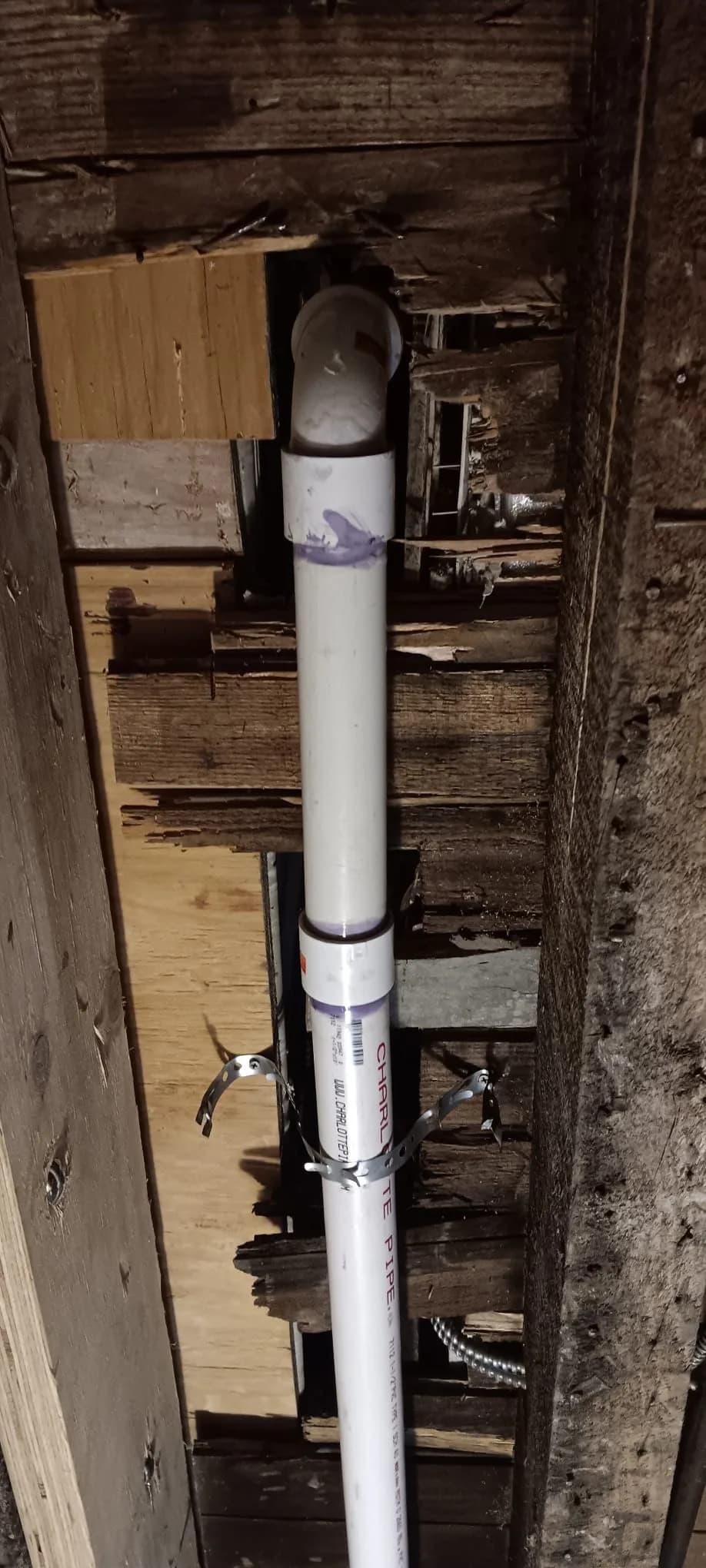
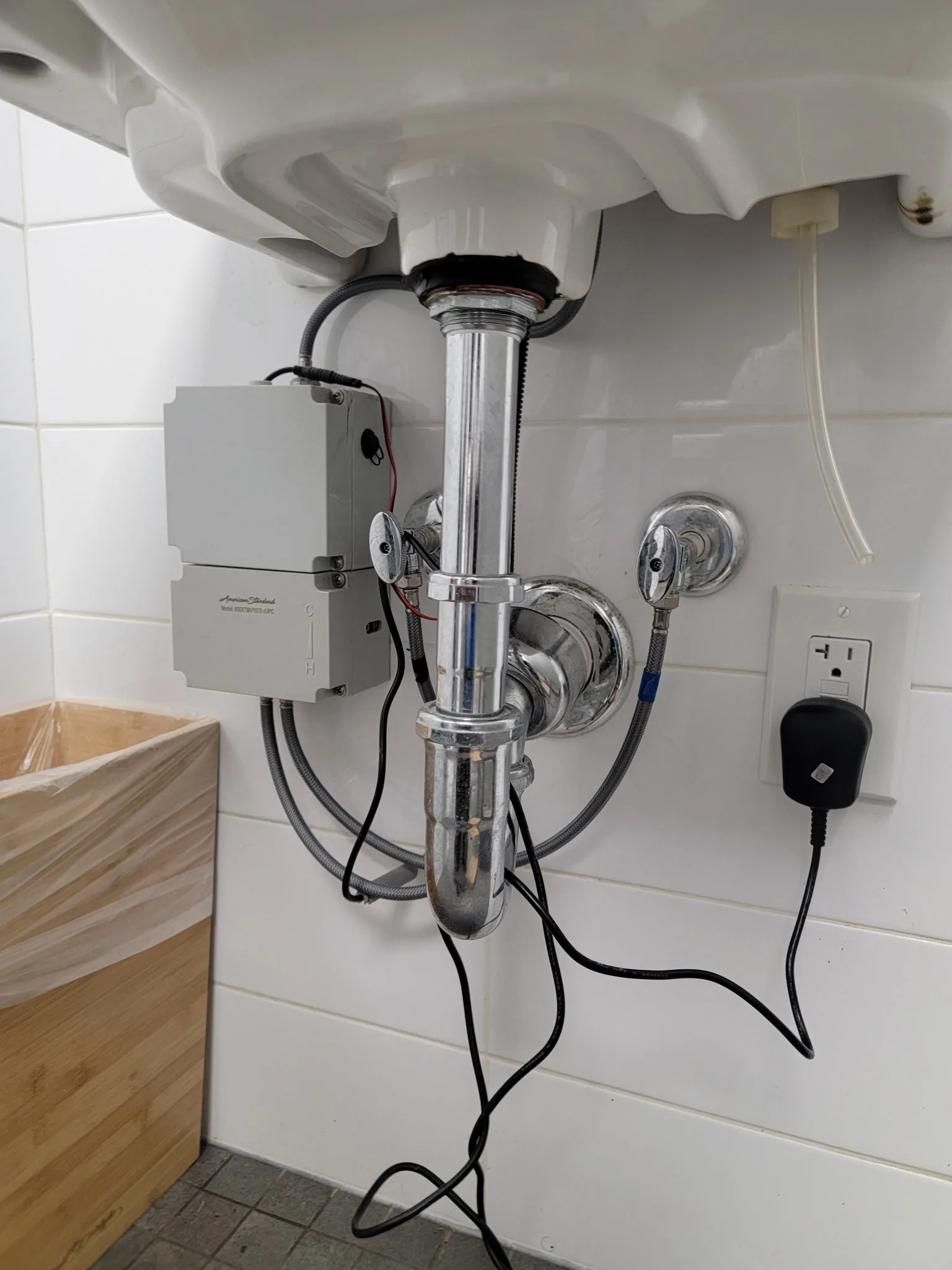
From the Blog
More on Pipe Repair
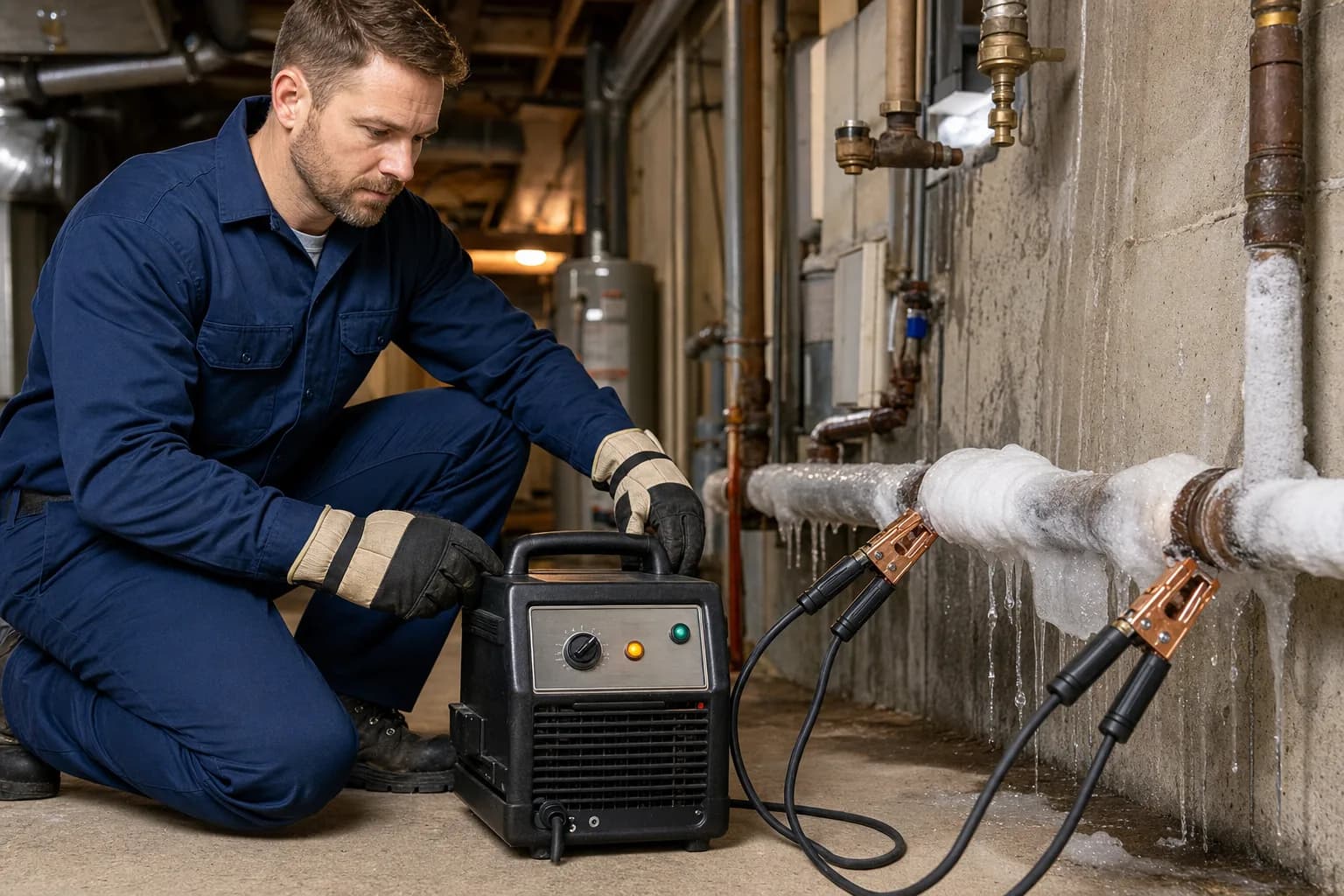
Why Pipes Burst During Winter
It's not the ice that breaks your pipe — it's the pressure buildup behind it. Here's the science and the fix.
Signs Your Home Still Has Galvanized Pipes
If your home was built before the 1960s, there's a good chance galvanized steel is still part of your plumbing.
Preventing Frozen Pipes in NYC Basements
Basements are the single most common freeze point in NYC homes — here's how to winterize yours.
Need Pipe Repair in Queens?
Call now for same-day scheduling.